A new gene therapy platform for lysosomal storage diseases enables parallel development, reducing time, costs and improving sustainability for rare disease treatments.
Gene therapy for rare and ultra-rare diseases is often confronted with structural challenges: the economic sustainability of preclinical research, clinical development and commercialisation; regulatory complexity; and very long development timelines that struggle to keep pace with the speed of discovery in basic research.
To address these challenges, the San Raffaele–Telethon Institute for Gene Therapy (SR-TIGET) has adopted a new development approach. Rather than focusing on a single technological innovation, the Institute has launched a programme based on the parallel development of gene therapies for lysosomal storage diseases, supported by ad hoc funding by Fondazione Telethon and, in part, by funding from Italy’s National Recovery and Resilience Plan (PNRR).
The Platform project is built around the standardisation of preclinical, productive and clinical development steps, made possible by the fact that the diseases involved share common biological characteristics.
This approach has the potential to extend access to gene therapies to a larger number of patients. At the same time, increased development speed and sustainability could make these programmes more attractive to funders, by creating projects that are lower-risk from an economic perspective and therefore more viable for long-term investment.
The Platform principle: developing gene therapies in parallel
With the Platform project, researchers at SR-TIGET are, for the first time, developing multiple gene therapies in parallel for lysosomal storage diseases. This strategy builds on years of research into related conditions such as metachromatic leukodystrophy and mucopolysaccharidosis type I (MPS I).
Gene therapies developed for these two diseases — the first now available in both Europe and the United States, the second in an advanced clinical phase — are based on the same core approach: correcting the genetic defect by inserting the healthy gene into the patient’s stem cells using lentiviral vectors. Following the success of these programmes, the research team began to ask a different question: rather than developing one therapy at a time, could the entire process be standardised for multiple biologically similar diseases?
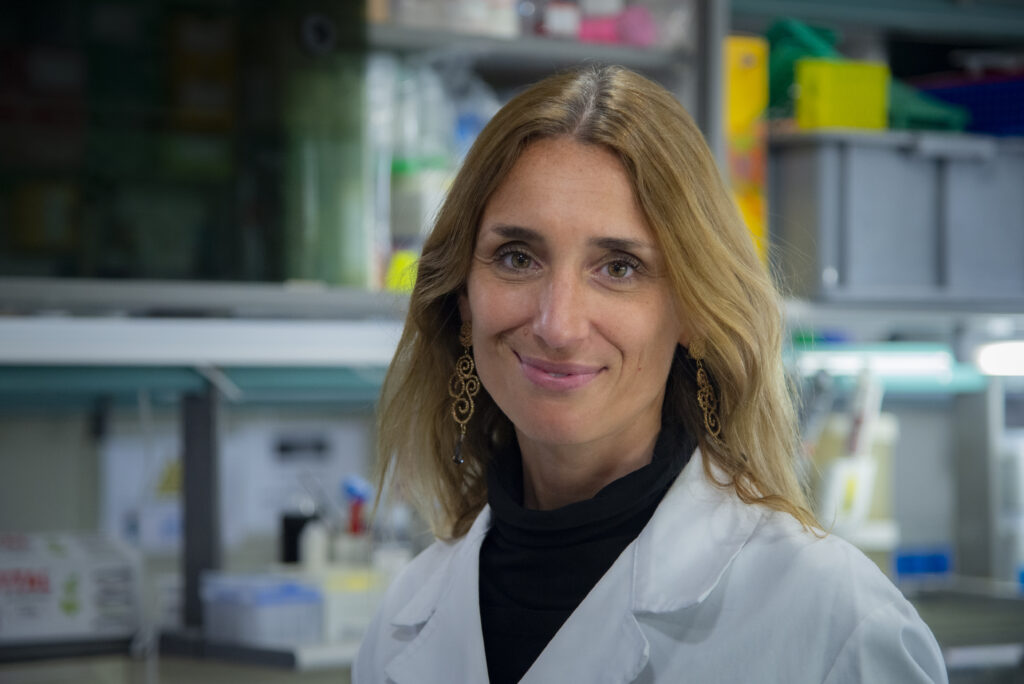
“Our work on these two conditions has generated a large body of data on feasibility, safety and efficacy, developed through separate programmes”, explains Maria Ester Bernardo, Clinical Coordinator of the Paediatric Clinical Research Unit at SR-TIGET and Head of the Paediatric Bone Marrow Transplant Functional Unit at Ospedale San Raffaele and Associate Professor at Vita-Salute San Raffaele University. “At that point, we asked ourselves why we should continue moving disease by disease, when we already have proof that the same pathological mechanism can be corrected using the same therapeutic rationale”.
This reflection led to the launch of the Platform project, which currently includes three genes and four lysosomal storage diseases: mucopolysaccharidosis type IVA (MPS IVA), GLB1-related disorders — including MPS IVB and GM1 gangliosidosis — and alpha-mannosidosis.
“We selected rare and ultra-rare diseases for which no effective therapies exist, or where available treatments are limited in efficacy”, Bernardo explains. “At the same time, some preclinical tests are carried out in parallel, using shared control groups, which allows us to optimise development and build on our previous experience in setting up the platform”.
At the core of the project lies a simple idea: use the same technological framework and change only the therapeutic gene inside the lentiviral vector.
Lysosomal storage diseases: pathogenesis and therapeutic rationale
To understand why a platform-based approach is possible, it is essential to look at the shared biological features of the diseases involved.
Mucopolysaccharidosis type IVA (MPS IVA), selected as the lead disease for platform development, is characterised by a predominantly skeletal phenotype, while cognitive development remains normal. The skeletal dysplasia is severe and has a profound impact on the quality of life of affected children.
GLB1-related disorders span a broad clinical spectrum, ranging from purely skeletal forms to exclusively neurological presentations, as well as mixed phenotypes. Alpha-mannosidosis also presents with both skeletal and neurological manifestations.
From a pathogenetic perspective, these diseases share a common mechanism. All are caused by a defect in a gene encoding a lysosomal enzyme responsible for the breakdown of substances that are toxic to the cell. When the enzyme is non-functional, these substances progressively accumulate, leading to cellular damage and clinical manifestations affecting multiple organs and systems.
Compared to allogeneic transplantation, gene therapy offers a more efficient strategy. The viral vector enables the integration of one or more copies of the healthy gene, resulting in enzyme overproduction.
Thanks to this increased enzyme availability and its receptor-mediated uptake, correction can also occur in cells that have not been directly transduced by the vector. The overall increase in the number of functionally corrected cells translates into a stronger and more effective therapeutic response.
Standardisable steps in a platform-based model
As we have seen, gene therapies mainly differ in the transgene inserted into the vector. What remains the same is the overall therapeutic strategy: correcting the genetic defect through viral vectors that can enter the host cell genome, stably integrate one or more copies of the healthy gene, and induce a correction of the clinical phenotype.
Within the platform model, it becomes possible to standardise and run in parallel several key phases: the technical preparation of the vector, the production of the drug and the preclinical studies (including toxicology and biodistribution), and, ultimately, the clinical application.
For vector preparation, most of the full testing is carried out on the vector batch of the lead disease (MPS IVA). This significantly reduces the number of tests required, since all vectors are produced in parallel using the same manufacturing method. The same logic applies to preclinical studies.
“Normally, you would run one study per disease, each with its own control group. This system allows us to run a single study with one shared control group, collect data simultaneously, and in some cases even optimise the number of animals treated”, explains Bernardo.
The same approach applies to biodistribution analysis. The full study was conducted only for the lead disease. “For the second and third diseases, we leveraged the data from the lead disease, carrying out the other two studies under so-called research-grade conditions—still appropriate, but less stringent and less costly”, she adds.
The final phase involves the opening of a single clinical trial including patients affected by the three different diseases, without a predefined sequence and based on the available preclinical data. “This will allow us to analyse the data both globally and at the level of each individual disease, with around 3–4 patients per condition”, Bernardo explains. She continues: “Opening a single clinical trial also simplifies the regulatory framework, because it avoids having to write three different protocols, request three separate authorisations, and prepare three distinct regulatory dossiers”.
The result is a modular system that, in the future, could allow additional lysosomal storage diseases to be incorporated without having to generate a full, standalone data package each time, as would be required in a traditional single-disease development model.
The advantage of in-house facilities
Both within the Platform project and across other research programmes, one of SR-TIGET’s major strengths lies in its ability to minimise outsourcing by developing the infrastructure and expertise needed to manage the entire gene therapy pipeline internally — from vector design to clinical development.
The Process Development Lab can produce high-quality vectors for preclinical studies and set up pre-GMP processes for the production of the drug, while the GLP (Good Laboratory Practice) laboratories enable toxicology and biodistribution studies to be carried out according to quality standards that ensure regulatory reliability and validity of preclinical data.
This internal integration makes it possible to work autonomously up to stages very close to clinical application, and it also represents a strategic advantage in interactions with regulatory authorities.
The relationship between the platform model and regulation
The Platform project represents a major challenge not only at the scientific level, but above all at the regulatory level. This is because there is currently no established standardisation model for developing therapies for diseases that share the same pathogenesis and therapeutic rationale. The prevailing framework still follows the principle of “one disease, one therapy, one development pathway”.
To move this innovation forward, it has been essential to establish early and constructive dialogue with regulatory bodies such as EMA and AIFA, through dedicated Innovation Task Forces designed to discuss approaches that have never been tested before. “This is an interesting challenge for regulators as well, because the importance of platform-based approaches in rare genetic diseases is widely recognised, but clear guidelines do not yet exist”.
To balance an ideal regulatory framework with the need to maintain an acceptable level of risk without compromising safety and efficacy, study designs have been repeatedly adapted, refined and revised. This has been possible thanks to a team-based approach involving a multidisciplinary group of clinicians, basic researchers and regulatory experts working together in close coordination.
Benefits and future directions of the Platform model
Developing gene therapies in parallel through the Platform approach has the potential to deliver economic and sustainability advantages, time efficiencies, and the opportunity to extend therapeutic options to a larger number of patients affected by different diseases.
The project is currently in the preclinical development phase. Only after the completion of preclinical studies and the preparation of the clinical trial will it be possible to assess the timelines and costs of the platform model in comparison with a traditional, disease-by-disease development pathway. This evaluation will also depend on whether additional studies are requested by regulatory authorities.
Looking ahead, this model could be applied not only to other clusters of rare and non-rare diseases but also to other technological platforms, such as gene editing. However, specific features of both the disease and the therapy must always be taken into account. As Bernardo points out, “In this case, gene therapy is feasible because the defect lies in a single gene whose size allows it to be inserted into a lentiviral vector — but what happens when genes are larger, or when defects involve multiple genes?”.
The conceptual foundation of Platform — which enables the strategy to be extended to other diseases — is a theoretical assumption: that there are biologically similar groups of diseases which, at least in principle, could be treated using the same gene therapy strategy, simply by replacing the disease-specific gene each time.
Precisely because this is a new approach, this assumption must be empirically validated. It must be demonstrated that the strategy truly works across multiple diseases and that it can consistently achieve the expected overexpression of the corrected gene.
As Bernardo concludes, “The main innovation is not technological — because gene therapy already exists — but strategic and regulatory.”
