The spin-off of Fondazione Telethon and Ospedale San Raffaele reports positive results in preclinical models of this rare metabolic disorder, further supporting the path toward first-in-human application.
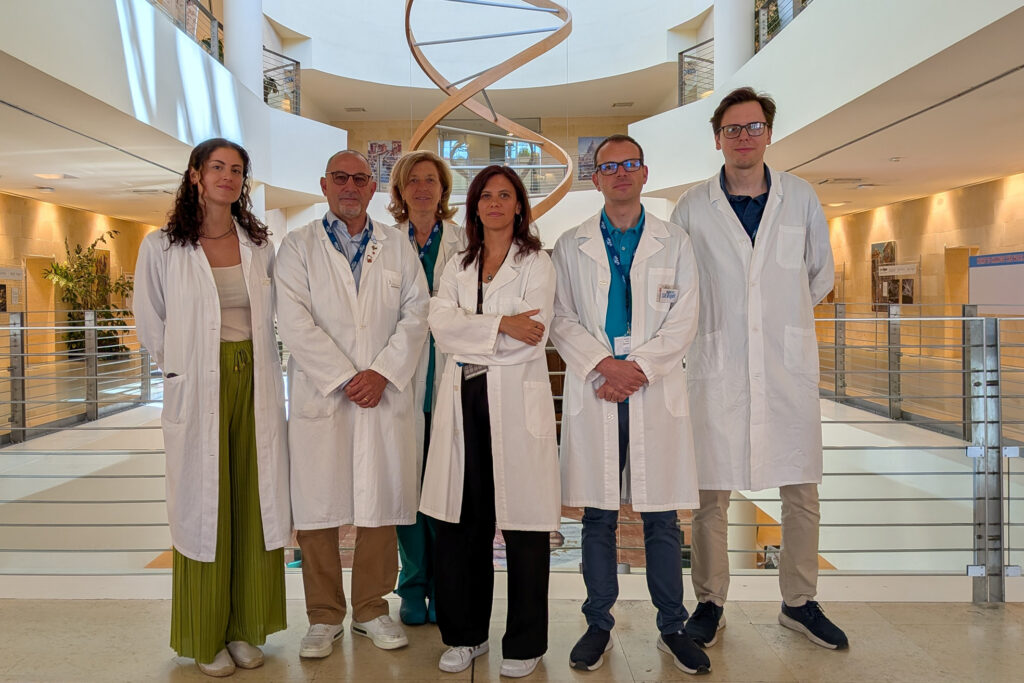
A study published in the Journal of Hepatology shows that GENE202, the gene therapy developed by Genespire, a biotech company created to translate discoveries from the San Raffaele-Telethon Institute for Gene Therapy (SR-Tiget) into innovative treatments and founded by Fondazione Telethon and Ospedale San Raffaele, can durably correct the key metabolic defects associated with methylmalonic acidemia (MMA), a rare and severe inherited metabolic disorder.
What is methylmalonic acidemia?
MMA is a rare, genetic metabolic disorder most frequently caused by a faulty gene coding for the mitochondrial enzyme methylmalonyl-coA mutase (MUT). Persons with this condition are unable to break down and use certain proteins and fats found in food and, as a result, circulating methylmalonic acid accumulates in the body, causing damage to the brain, liver, kidneys, and other organs.
At present there are no disease-targeted drugs approved for MMA, and affected patients suffer high levels of morbidity and have a heavily reduced life expectancy.
The new study from Genespire and SR-Tiget
The findings show that a single systemic administration of a lentiviral vector encoding the MMUT gene led to sustained improvements in disease features in a validated mouse model of MMA, with effects lasting for the average lifespan of laboratory mice. Since the mice were treated when young, the study supports the durability of the gene therapy through postnatal growth and maturation of the liver.
In the study, researchers also treated mice with a dose containing an optimized MMUT transgene, thereby improving therapeutic efficacy. In the same mouse model of MMA, this version exhibited a dose-dependent improvement of metabolomic biomarkers, with gene transfer efficiency exceeding 80% of the liver.
The study also highlights that genetically corrected cells in the liver may, over time, replace the diseased ones, suggesting that therapeutic efficacy may progressively improve even when starting at lower initial doses.
Quotes
“Together, these findings indicate that Genespire is on a clear path towards the long-term correction of metabolic diseases which impact the liver and other organs,” said Lucia Faccio, CEO of Genespire. “We believe our approach has the potential to translate into human health in the form of a single-administration treatment for patients with MMA, and are committed to continuing our efforts in bringing our lead asset for MMA, GENE202, to the clinic. We would like to extend our gratitude to everyone involved in the research project, especially those at the SR-Tiget.”
“We are confident that this study, together with other previous studies from our group at SR-Tiget, provides a comprehensive pre-clinical data package enabling the initiation of clinical testing in pediatric patients affected by MMA” concludes Dr Alessio Cantore, Group Leader at SR-Tiget and Associate Professor at Vita-Salute San Raffaele University. In addition to leading the research, Cantore is one of Genespire’s founders, together with Luigi Naldini, Director of the Institute, as well as Fondazione Telethon and Ospedale San Raffaele.
About Genespire
Founded in 2020, Genespire is a biotechnology company developing off-the-shelf gene therapies based on immune-shielded lentiviral vectors, engineered to evade detection and attack by the immune system.
A spin-off of SR-Tiget, Genespire was established to transform the excellence of Italian biomedical research into innovative therapeutic solutions for children with rare genetic diseases. Its proprietary technology platforms are designed to enable stable, long-term production of therapeutic proteins directly in the patient’s liver following a single intravenous administration.
