The Telethon Institute of Genetics and Medicine (TIGEM) has contributed to the development of a new open-source artificial intelligence model designed to make advanced genomic analysis and DNA interpretation tools more accessible to researchers worldwide.
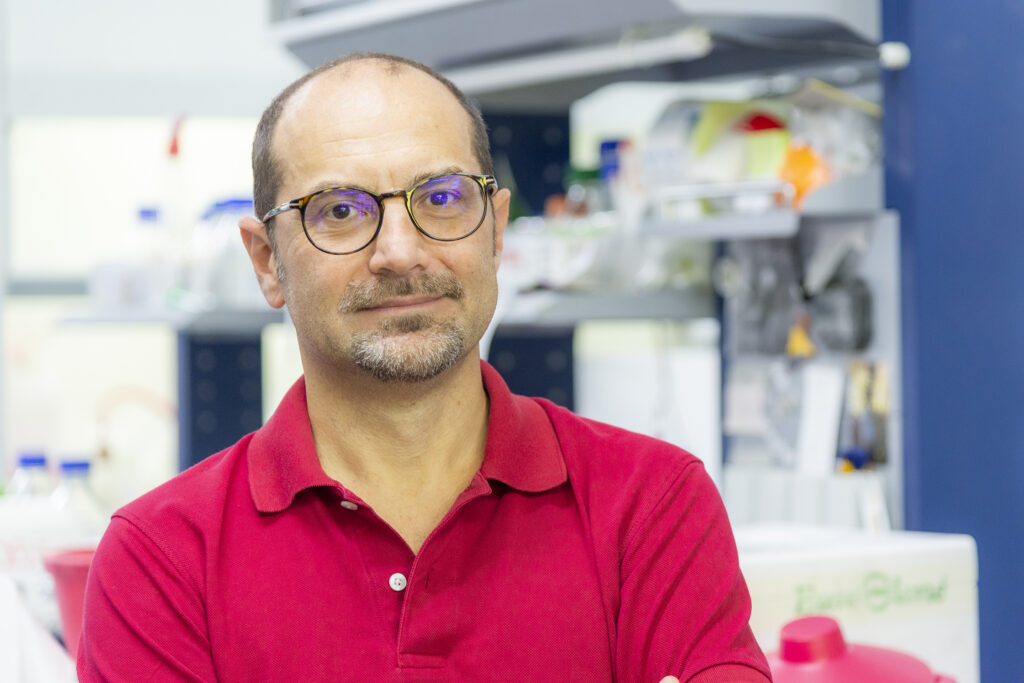
A new open-source artificial intelligence model could help researchers interpret genetic variants associated with rare diseases more efficiently and support future efforts to develop computational approaches for designing DNA sequences with potential biomedical applications. Called Carbon-X, the model was developed through an international collaboration involving the group led by Diego di Bernardo, Deputy Director of TIGEM and Professor of Biomedical Engineering at the University of Naples Federico II, together with the Zhongguancun Academy in Beijing and Hugging Face, a leading organization in the development of open-source artificial intelligence models.
How Carbon-X works
Carbon-X originated from an initiative proposed by the group led by Diego di Bernardo and was designed to understand and generate DNA sequences while also processing human language, effectively acting as a translator between these two fundamentally different forms of information. The model can interpret questions posed by researchers in natural language and perform complex tasks such as predicting the impact of genetic variants, identifying DNA regions involved in gene regulation, and generating genomic sequences, while providing explanations and responses in human-readable language.
According to the developers' evaluation, Carbon-X is among the most performant open-source models currently available for genomic applications. The system approaches the performance of advanced proprietary models while allowing researchers to deploy it directly on their own infrastructure. Model weights, training data, source code, and evaluation tools are released under an open license, promoting broader access to AI-driven genomics research. This approach allows scientists to conduct analyses locally without transferring sensitive genomic datasets to external providers, helping maintain control over patient-related genomic information.
“After conceiving the project, we approached Hugging Face because of their commitment to open models and their expertise in developing and disseminating them, as well as the computing resources required for an initiative of this scale”.
Diego Di Bernardo
“In addition to contributing to the technical development of the model, for which special thanks go to PhD student Maurizio Fiusco, we helped evaluate its performance by defining case studies focused on the diagnosis of rare genetic diseases”, said Diego di Bernardo.
The integration of genomics and artificial intelligence is opening new opportunities for understanding human biology and accelerating research into rare genetic diseases. Potential applications of Carbon-X include the interpretation of genetic variants identified in patients to assess their possible pathogenicity, a capability that could contribute to improving diagnostic yield in rare genetic diseases. The model may also support the development of computational approaches for designing DNA sequences with potential applications in more precise gene therapy strategies, while providing new insights into the mechanisms that regulate genome function.
As the technology continues to evolve, tools such as Carbon-X could help accelerate research into rare diseases, support the development of innovative therapeutic approaches, and promote broader access to advanced AI tools for genomics research through an open and reproducible framework.
